Buy malc.eu ?
We are moving the project
malc.eu .
Are you interested in purchasing the domain
malc.eu ?
domain@kv-gmbh.de · 0541-91531010
Buy malc.eu ?
What is the difference between forensics and criminalistics?
Forensics is the application of scientific methods and techniques to solve crimes and legal issues, while criminalistics is a branch of forensic science that focuses specifically on the analysis of physical evidence in criminal investigations. Forensics encompasses a broader range of disciplines, including DNA analysis, toxicology, and crime scene investigation, while criminalistics is more narrowly focused on the collection, preservation, and analysis of physical evidence such as fingerprints, ballistics, and trace evidence. In summary, forensics is the overarching field that includes criminalistics as a specialized area of study within it. **
How can I do an internship in forensics?
To do an internship in forensics, you can start by researching and reaching out to organizations or agencies that offer internships in the field of forensics, such as law enforcement agencies, crime labs, or forensic science research institutions. You can also check with your college or university's career services office for internship opportunities in forensics. Networking with professionals in the field and attending career fairs or industry events can also help you find internship opportunities. Additionally, gaining relevant coursework or experience in forensic science, criminal justice, or related fields can make you a more competitive candidate for forensics internships. **
Similar search terms for Forensics
Top-Angebote
Products related to Forensics:
-
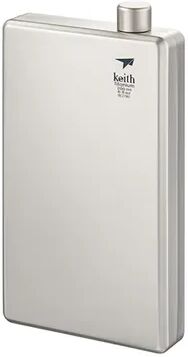
Smart Shopping Spot Camping Hip Flask Portable Titanium Flask For Travel, Hiking & Outdoor Use Camping Hip Flask Portable Titanium Flask For Travel, Hiking & Outdoor UseEnjoy your favorite drink wherever adventure takes you with this sleek titanium flask designed for modern explorers. Crafted for campers, hikers, and travelers, it combines ultralight durability with a clean, minimalist design. Unlike traditional...129,97 $*Shipping: 0,00 $Secure redirect to the provider
-
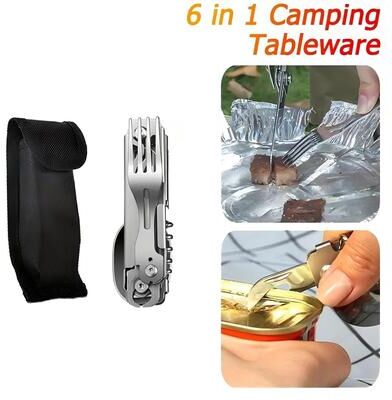
Perfect Picks Market Multifunctional Cutlery Set Portable Outdoor Tableware For Camping, Hiking, And Travel Multifunctional Cutlery Set Portable Outdoor Tableware For Camping, Hiking, And TravelUpgrade your outdoor meals with the 6in1 multifunctional cutlery set designed for campers, hikers, and travelers. This compact, portable tableware is all you need to enjoy a hasslefree dining experience in nature. Featuring a knife, fork, spoon, and...39,97 $*Shipping: 0,00 $Secure redirect to the provider
-
Multisell Products Hub Waterproof Compass Watch With Luminous Dial For Hiking Camping Survival Gear Waterproof Compass Watch With Luminous Dial For Hiking Camping Survival GearWhen youre out in the wild, confidence comes from knowing your direction at all times. This compass watch combines rugged reliability with everyday wearability, giving adventurers a simple yet powerful navigation tool right on their wrist. Designed...44,97 $*Shipping: 0,00 $Secure redirect to the provider
-
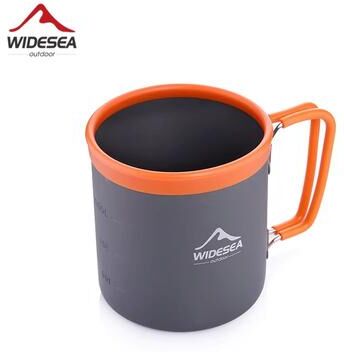
Inspired Finds Widesea Lightweight Aluminum Camping Mug Durable Outdoor Cup For Hiking, Trekking & Travel Widesea Lightweight Aluminum Camping Mug Durable Outdoor Cup For Hiking, Trekking & TravelEnjoy your favorite drink wherever adventure takes you with this versatile aluminum camping cup built for the outdoors. Designed to be lightweight yet durable, its the perfect companion for hikers, trekkers, and travelers who value practicality...34,99 $*Shipping: 0,00 $Secure redirect to the provider


-
What level of education is required for Forensics?
To work in the field of forensics, a minimum of a bachelor's degree in a relevant field such as forensic science, biology, chemistry, or criminal justice is typically required. However, many positions in forensics may require a master's degree or even a Ph.D., especially for more specialized roles or for advancement in the field. Additionally, gaining practical experience through internships or on-the-job training is also important for a career in forensics. **
-
Where can I apply for an internship in forensics?
You can apply for internships in forensics at various places such as government agencies like the Federal Bureau of Investigation (FBI), local law enforcement agencies, forensic laboratories, and private forensic consulting firms. Additionally, many universities and research institutions offer internships in forensic science and related fields. It's important to research and reach out to specific organizations or institutions that align with your interests and career goals in forensics. Networking with professionals in the field and utilizing online job boards and internship databases can also help you find opportunities. **
-
How can one transition from a biomedical analyst to forensics?
To transition from a biomedical analyst to forensics, one could consider pursuing additional education or training in forensic science or a related field. This could involve obtaining a certification or a master's degree in forensic science. It may also be beneficial to gain experience through internships or volunteer opportunities in forensic labs or with law enforcement agencies. Networking with professionals in the field of forensics and attending relevant conferences or workshops can also help in making the transition. **
-
What is the course of study for Natural Science Forensics?
The course of study for Natural Science Forensics typically includes a combination of biology, chemistry, physics, and forensic science courses. Students will learn about the scientific methods used in crime scene investigation, evidence collection and analysis, and how to apply these techniques in real-world scenarios. They may also study topics such as DNA analysis, toxicology, ballistics, and forensic anthropology. Hands-on laboratory work and internships are often a key component of the program to provide practical experience in the field. **

How can I study biology and then go into forensics?
To study biology and then go into forensics, you can start by pursuing a degree in biology or a related field such as forensic science. It is important to take courses in biology, chemistry, and other relevant sciences to build a strong foundation. You can then specialize in forensic biology or forensic science through additional coursework or a graduate program. Gaining practical experience through internships or research opportunities in forensic labs can also be beneficial in preparing for a career in forensics. **
How does the detection of blood in forensics work using reduced phenolphthalein?
Reduced phenolphthalein is a chemical reagent that reacts with the heme group found in blood, producing a pink color. In forensics, this reaction is used to detect the presence of blood at a crime scene. When reduced phenolphthalein is applied to a suspected bloodstain, the appearance of a pink color indicates the presence of blood. This method is sensitive and can detect even small amounts of blood, making it a valuable tool for forensic investigators in identifying potential evidence. **
Top-Angebote
Products related to Forensics:
-
Inspire Daily Merch Windproof Camping Stove Shield Outdoor BBQ & Firewood Cooking Windbreak For Camping, Hiking, And BBQ Gear Windproof Camping Stove Shield Outdoor BBQ & Firewood Cooking Windbreak For Camping, Hiking, And BBQ GearPrepare for your outdoor adventure with our Windproof Camping Stove Shield. Designed to protect your fire from the elements, this lightweight, durable windscreen ensures consistent heat, making it an essential piece of camping gear. Perfect for BBQ...64,97 $*Shipping: 0,00 $Secure redirect to the provider
-
Smart Shopping Spot Camping Hip Flask Portable Titanium Flask For Travel, Hiking & Outdoor Use Camping Hip Flask Portable Titanium Flask For Travel, Hiking & Outdoor UseEnjoy your favorite drink wherever adventure takes you with this sleek titanium flask designed for modern explorers. Crafted for campers, hikers, and travelers, it combines ultralight durability with a clean, minimalist design. Unlike traditional...129,97 $*Shipping: 0,00 $Secure redirect to the provider
-
Perfect Picks Market Multifunctional Cutlery Set Portable Outdoor Tableware For Camping, Hiking, And Travel Multifunctional Cutlery Set Portable Outdoor Tableware For Camping, Hiking, And TravelUpgrade your outdoor meals with the 6in1 multifunctional cutlery set designed for campers, hikers, and travelers. This compact, portable tableware is all you need to enjoy a hasslefree dining experience in nature. Featuring a knife, fork, spoon, and...39,97 $*Shipping: 0,00 $Secure redirect to the provider
-
What is the difference between forensics and criminalistics?
Forensics is the application of scientific methods and techniques to solve crimes and legal issues, while criminalistics is a branch of forensic science that focuses specifically on the analysis of physical evidence in criminal investigations. Forensics encompasses a broader range of disciplines, including DNA analysis, toxicology, and crime scene investigation, while criminalistics is more narrowly focused on the collection, preservation, and analysis of physical evidence such as fingerprints, ballistics, and trace evidence. In summary, forensics is the overarching field that includes criminalistics as a specialized area of study within it. **
-
How can I do an internship in forensics?
To do an internship in forensics, you can start by researching and reaching out to organizations or agencies that offer internships in the field of forensics, such as law enforcement agencies, crime labs, or forensic science research institutions. You can also check with your college or university's career services office for internship opportunities in forensics. Networking with professionals in the field and attending career fairs or industry events can also help you find internship opportunities. Additionally, gaining relevant coursework or experience in forensic science, criminal justice, or related fields can make you a more competitive candidate for forensics internships. **
-
What level of education is required for Forensics?
To work in the field of forensics, a minimum of a bachelor's degree in a relevant field such as forensic science, biology, chemistry, or criminal justice is typically required. However, many positions in forensics may require a master's degree or even a Ph.D., especially for more specialized roles or for advancement in the field. Additionally, gaining practical experience through internships or on-the-job training is also important for a career in forensics. **
-
Where can I apply for an internship in forensics?
You can apply for internships in forensics at various places such as government agencies like the Federal Bureau of Investigation (FBI), local law enforcement agencies, forensic laboratories, and private forensic consulting firms. Additionally, many universities and research institutions offer internships in forensic science and related fields. It's important to research and reach out to specific organizations or institutions that align with your interests and career goals in forensics. Networking with professionals in the field and utilizing online job boards and internship databases can also help you find opportunities. **
Similar search terms for Forensics
-
Multisell Products Hub Waterproof Compass Watch With Luminous Dial For Hiking Camping Survival Gear Waterproof Compass Watch With Luminous Dial For Hiking Camping Survival GearWhen youre out in the wild, confidence comes from knowing your direction at all times. This compass watch combines rugged reliability with everyday wearability, giving adventurers a simple yet powerful navigation tool right on their wrist. Designed...44,97 $*Shipping: 0,00 $Secure redirect to the provider
-
Inspired Finds Widesea Lightweight Aluminum Camping Mug Durable Outdoor Cup For Hiking, Trekking & Travel Widesea Lightweight Aluminum Camping Mug Durable Outdoor Cup For Hiking, Trekking & TravelEnjoy your favorite drink wherever adventure takes you with this versatile aluminum camping cup built for the outdoors. Designed to be lightweight yet durable, its the perfect companion for hikers, trekkers, and travelers who value practicality...34,99 $*Shipping: 0,00 $Secure redirect to the provider
-
Tools, Home & Hobby Warm Wool Camping Blanket Large Waterproof Outdoor Blanket For Hiking Travel And Picnics Warm Wool Camping Blanket Large Waterproof Outdoor Blanket For Hiking Travel And PicnicsStay warm and comfortable wherever your adventures take you with this premium wool camping blanket designed for outdoor relaxation and coldweather activities. Made with an 80% wool blend, it provides excellent insulation, durability, and breathable...99,97 $*Shipping: 0,00 $Secure redirect to the provider
-
Inspired Finds Widesea Lightweight Camping Aluminum Cup Durable Outdoor Mug For Hiking, Trekking, And Travel Adventures Widesea Lightweight Camping Aluminum Cup Durable Outdoor Mug For Hiking, Trekking, And Travel AdventuresEnjoy your favorite drink anywhere with the camping aluminum cup built for rugged adventures and everyday outdoor use. The Widesea outdoor mug is crafted from highquality, lightweight aluminum thats easy to pack, durable enough for the trail, and...37,99 $*Shipping: 0,00 $Secure redirect to the provider
-
How can one transition from a biomedical analyst to forensics?
To transition from a biomedical analyst to forensics, one could consider pursuing additional education or training in forensic science or a related field. This could involve obtaining a certification or a master's degree in forensic science. It may also be beneficial to gain experience through internships or volunteer opportunities in forensic labs or with law enforcement agencies. Networking with professionals in the field of forensics and attending relevant conferences or workshops can also help in making the transition. **
-
What is the course of study for Natural Science Forensics?
The course of study for Natural Science Forensics typically includes a combination of biology, chemistry, physics, and forensic science courses. Students will learn about the scientific methods used in crime scene investigation, evidence collection and analysis, and how to apply these techniques in real-world scenarios. They may also study topics such as DNA analysis, toxicology, ballistics, and forensic anthropology. Hands-on laboratory work and internships are often a key component of the program to provide practical experience in the field. **
-
How can I study biology and then go into forensics?
To study biology and then go into forensics, you can start by pursuing a degree in biology or a related field such as forensic science. It is important to take courses in biology, chemistry, and other relevant sciences to build a strong foundation. You can then specialize in forensic biology or forensic science through additional coursework or a graduate program. Gaining practical experience through internships or research opportunities in forensic labs can also be beneficial in preparing for a career in forensics. **
-
How does the detection of blood in forensics work using reduced phenolphthalein?
Reduced phenolphthalein is a chemical reagent that reacts with the heme group found in blood, producing a pink color. In forensics, this reaction is used to detect the presence of blood at a crime scene. When reduced phenolphthalein is applied to a suspected bloodstain, the appearance of a pink color indicates the presence of blood. This method is sensitive and can detect even small amounts of blood, making it a valuable tool for forensic investigators in identifying potential evidence. **
* All prices are inclusive of VAT and, if applicable, plus shipping costs. The offer information is based on the details provided by the respective shop and is updated through automated processes. Real-time updates do not occur, so deviations can occur in individual cases. ** Note: Parts of this content were created by AI.