Buy malc.eu ?
We are moving the project
malc.eu .
Are you interested in purchasing the domain
malc.eu ?
domain@kv-gmbh.de · 0541-91531010
Buy malc.eu ?
What is the tension in a tension conductor?
The tension in a tension conductor is the force exerted on the conductor due to the pulling or stretching of the material. This force is necessary to keep the conductor in place and support any loads that it may be carrying. The tension in a tension conductor is typically calculated based on the weight of the load it is supporting and the angle at which the load is pulling on the conductor. **
What is the tension of a tension conductor?
The tension of a tension conductor refers to the force or stress applied to the conductor in order to keep it taut and in place. This tension is necessary to prevent the conductor from sagging or vibrating excessively, which could lead to damage or failure. The tension of a tension conductor is carefully calculated and maintained to ensure the safe and efficient operation of the electrical transmission or distribution system. **

Similar search terms for Gemi-Elettronica-Galvanised-Tension
Top-Angebote
Products related to Gemi-Elettronica-Galvanised-Tension:
-
Gemi Elettronica Polywire & Rope Tensioner With Gear Lock For Electric Fence / Electric Fencing, Quick Tighten Tool GemiGemi Elettronica Wire tensioner with cogwheel lock, Electric Fence, Electric Fences Wire tensioner with cogwheel lock; useful for building an electric fence to tension the wire or webbing. Gemi's turnbuckle is made of stainless steel, a robust material that guarantees a long service life on the electric fence. Equipped with toothed wheel locking system, ideal for electric fences for horses, ponies, cows, goats, sheep, boars, deer, cattle, etc.3,99 £*Shipping: 0,00 £Secure redirect to the provider
-
Gemi Elettronica Warning Sign Plastic For Electric Fence / Electrified Fence, Safety Notice Board GemiGemi Elettronica plastic sign board "ATTENTION" for electric fence electric fences electric fences electrified fences Table dimensions: 13x25cm Material: plastic Print: indelible2,31 £*Shipping: 0,00 £Secure redirect to the provider
-
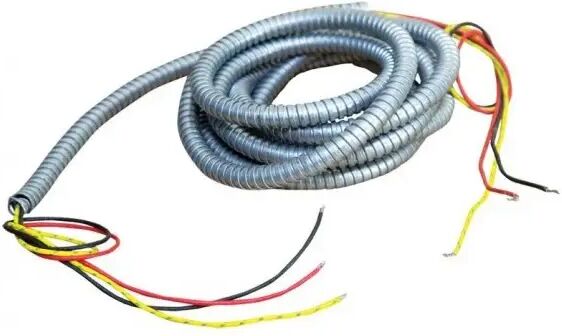
Gemi Elettronica Temperature-resistant Cable For Chimney Fan / Smoke Extractor, High Heat Wiring Accessory GemiThe high-temperature resistant cable is a special silicone cable covered with a flexible steel sheath that is resistant to temperatures of over 350 °C. The cable length that can be selected is 5 metres, 10 metres, 15 metres, 20 metres, up to a maximum of 30 metres. Example: If you wish to purchase 5 metres, in the box select 5 metres. If you want to purchase 10 metres, select 10 metres in the box.28,00 £*Shipping: 0,00 £Secure redirect to the provider



-
What destroys surface tension?
Surface tension can be destroyed by adding substances known as surfactants or surface-active agents. These substances disrupt the cohesive forces between water molecules at the surface, causing the surface tension to decrease. Surfactants have a hydrophilic (water-attracting) end and a hydrophobic (water-repelling) end, which allows them to interact with both water and other substances, effectively reducing the surface tension. Common examples of surfactants include soaps, detergents, and oils. **
-
Muscle pump or tension?
The choice between muscle pump and tension depends on your fitness goals. Muscle pump refers to the temporary increase in muscle size and vascularity during a workout, which can provide a satisfying feeling of fullness and tightness in the muscles. On the other hand, tension refers to the sustained contraction and engagement of the muscles, which is essential for building strength and muscle mass over time. If your goal is to achieve a temporary aesthetic effect and improve muscle endurance, muscle pump may be more appealing. However, if you are focused on building strength and muscle size, prioritizing tension in your workouts would be more beneficial. **
-
What is ski tension?
Ski tension refers to the amount of pressure or force exerted on the ski base by the binding and the skier's weight. It is an important factor in determining the ski's performance and responsiveness on the snow. The right amount of ski tension allows for optimal control and maneuverability, while too much or too little tension can affect the ski's ability to grip the snow and transfer energy efficiently. Adjusting ski tension can help customize the ski's performance to suit different snow conditions and skiing styles. **
-
What is jaw tension?
Jaw tension refers to the feeling of tightness, stiffness, or discomfort in the muscles of the jaw. It can be caused by a variety of factors such as stress, anxiety, teeth grinding, or temporomandibular joint (TMJ) disorder. Symptoms of jaw tension may include pain or soreness in the jaw, difficulty opening or closing the mouth, clicking or popping sounds when moving the jaw, and headaches. Managing jaw tension may involve techniques such as stress reduction, jaw exercises, using a mouthguard at night, and seeking professional help if necessary. **

Is my tension okay?
It's important to assess your own feelings and physical sensations to determine if your tension level is okay. If you are feeling overwhelmed, stressed, or anxious, it may be a sign that your tension is too high. It's important to practice self-care, relaxation techniques, and seek support if needed to help manage your tension levels. Trust your instincts and listen to your body to determine if your tension is at a healthy level. **
Pressure or tension force?
Pressure is a force exerted uniformly over a surface, while tension is a force that is transmitted through a rope, cable, or other similar objects. Pressure is typically measured in units of force per unit area, such as Pascals, while tension is measured in units of force. Both forces can cause deformation or changes in shape in an object, but pressure acts in all directions while tension acts along the direction of the object. **
Top-Angebote
Products related to Gemi-Elettronica-Galvanised-Tension:
-
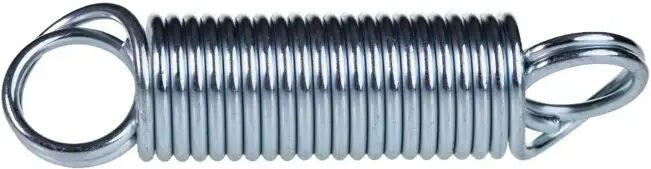
Gemi Elettronica Galvanised Tension Spring (temperature Balancing) For Electric Fence / Electric Fencing Gate Systems GemiGemi Elettronica Galvanised spring for electric fence electric fences electrified fencing Galvanised spring for pulling (mechanical tension) fences using steel cables as conductors.4,21 £*Shipping: 0,00 £Secure redirect to the provider
-
Gemi Elettronica Galvanised Tension Spring (temperature Balancing) For Electric Fence / Electric Fencing, Durable Gate Spring GemiHorizontal wire tension spring for electric fence, electric fences, electrified fences Gemi Stainless steel tension spring, suitable for high tensile forces. Details: extremely robust quality, very durable. Dimensions of tension spring: length 7,5 cm - thickness 2 cm Wire tension spring ideal for electric fences for horses, ponies, cows, goats, sheep, boars, deer, cattle, etc.0,88 £*Shipping: 0,00 £Secure redirect to the provider
-
Gemi Elettronica Polywire & Rope Tensioner With Gear Lock For Electric Fence / Electric Fencing, Quick Tighten Tool GemiGemi Elettronica Wire tensioner with cogwheel lock, Electric Fence, Electric Fences Wire tensioner with cogwheel lock; useful for building an electric fence to tension the wire or webbing. Gemi's turnbuckle is made of stainless steel, a robust material that guarantees a long service life on the electric fence. Equipped with toothed wheel locking system, ideal for electric fences for horses, ponies, cows, goats, sheep, boars, deer, cattle, etc.3,99 £*Shipping: 0,00 £Secure redirect to the provider
-
What is the tension in a tension conductor?
The tension in a tension conductor is the force exerted on the conductor due to the pulling or stretching of the material. This force is necessary to keep the conductor in place and support any loads that it may be carrying. The tension in a tension conductor is typically calculated based on the weight of the load it is supporting and the angle at which the load is pulling on the conductor. **
-
What is the tension of a tension conductor?
The tension of a tension conductor refers to the force or stress applied to the conductor in order to keep it taut and in place. This tension is necessary to prevent the conductor from sagging or vibrating excessively, which could lead to damage or failure. The tension of a tension conductor is carefully calculated and maintained to ensure the safe and efficient operation of the electrical transmission or distribution system. **
-
What destroys surface tension?
Surface tension can be destroyed by adding substances known as surfactants or surface-active agents. These substances disrupt the cohesive forces between water molecules at the surface, causing the surface tension to decrease. Surfactants have a hydrophilic (water-attracting) end and a hydrophobic (water-repelling) end, which allows them to interact with both water and other substances, effectively reducing the surface tension. Common examples of surfactants include soaps, detergents, and oils. **
-
Muscle pump or tension?
The choice between muscle pump and tension depends on your fitness goals. Muscle pump refers to the temporary increase in muscle size and vascularity during a workout, which can provide a satisfying feeling of fullness and tightness in the muscles. On the other hand, tension refers to the sustained contraction and engagement of the muscles, which is essential for building strength and muscle mass over time. If your goal is to achieve a temporary aesthetic effect and improve muscle endurance, muscle pump may be more appealing. However, if you are focused on building strength and muscle size, prioritizing tension in your workouts would be more beneficial. **
Similar search terms for Gemi-Elettronica-Galvanised-Tension
-
Gemi Elettronica Warning Sign Plastic For Electric Fence / Electrified Fence, Safety Notice Board GemiGemi Elettronica plastic sign board "ATTENTION" for electric fence electric fences electric fences electrified fences Table dimensions: 13x25cm Material: plastic Print: indelible2,31 £*Shipping: 0,00 £Secure redirect to the provider
-
Gemi Elettronica Temperature-resistant Cable For Chimney Fan / Smoke Extractor, High Heat Wiring Accessory GemiThe high-temperature resistant cable is a special silicone cable covered with a flexible steel sheath that is resistant to temperatures of over 350 °C. The cable length that can be selected is 5 metres, 10 metres, 15 metres, 20 metres, up to a maximum of 30 metres. Example: If you wish to purchase 5 metres, in the box select 5 metres. If you want to purchase 10 metres, select 10 metres in the box.28,00 £*Shipping: 0,00 £Secure redirect to the provider
-
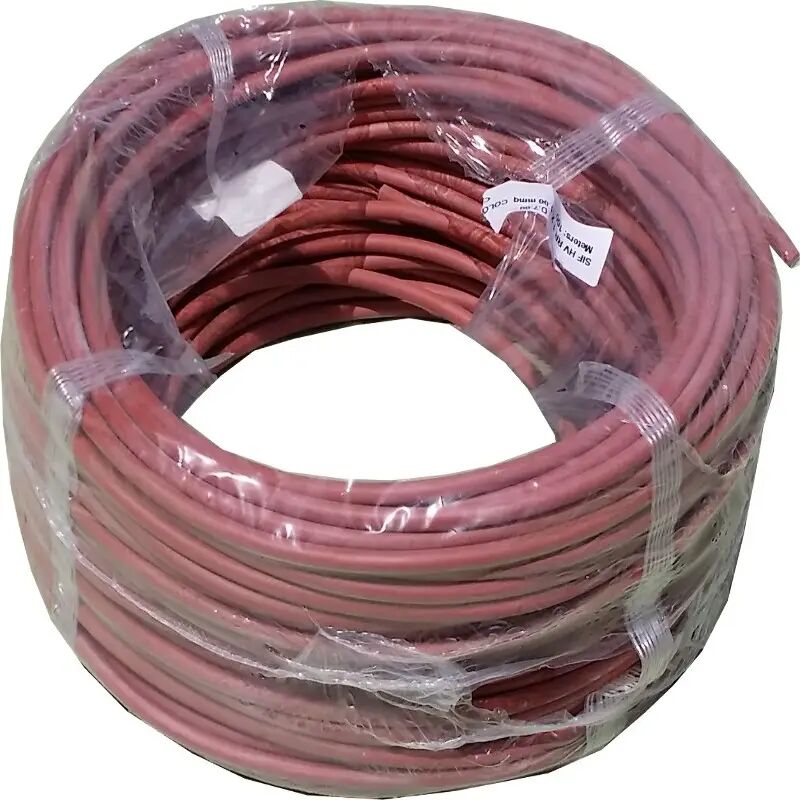
Gemi Elettronica Insulated Cable For Earth Posts / Grounding System For Electric Fence / Electric Fencing GemiGemi Elettronica High voltage crossing cable for electric fences electric fences electric fences electrified fences High voltage crossing cable for underground or surface passageHigh voltage resistant1,22€ per linear metre1,05 £*Shipping: 0,00 £Secure redirect to the provider
-
Gemi Elettronica Plastic Post 160 Cm For Electric Fence / Electric Fencing, Durable Step-in Stake GemiPlastic fence posts, suitable for all types of tape, wire and rope, vertically reinforced and equipped with a 21cm galvanized tip. Total height: 160 cm Height of iron tip: 21 cm Height of plastic structure: 139 cm Number of eyelets: 10 Excellent for both thread and ribbon. It can contain any type of electric fence conductor up to 40 mm.4,27 £*Shipping: 0,00 £Secure redirect to the provider
-
What is ski tension?
Ski tension refers to the amount of pressure or force exerted on the ski base by the binding and the skier's weight. It is an important factor in determining the ski's performance and responsiveness on the snow. The right amount of ski tension allows for optimal control and maneuverability, while too much or too little tension can affect the ski's ability to grip the snow and transfer energy efficiently. Adjusting ski tension can help customize the ski's performance to suit different snow conditions and skiing styles. **
-
What is jaw tension?
Jaw tension refers to the feeling of tightness, stiffness, or discomfort in the muscles of the jaw. It can be caused by a variety of factors such as stress, anxiety, teeth grinding, or temporomandibular joint (TMJ) disorder. Symptoms of jaw tension may include pain or soreness in the jaw, difficulty opening or closing the mouth, clicking or popping sounds when moving the jaw, and headaches. Managing jaw tension may involve techniques such as stress reduction, jaw exercises, using a mouthguard at night, and seeking professional help if necessary. **
-
Is my tension okay?
It's important to assess your own feelings and physical sensations to determine if your tension level is okay. If you are feeling overwhelmed, stressed, or anxious, it may be a sign that your tension is too high. It's important to practice self-care, relaxation techniques, and seek support if needed to help manage your tension levels. Trust your instincts and listen to your body to determine if your tension is at a healthy level. **
-
Pressure or tension force?
Pressure is a force exerted uniformly over a surface, while tension is a force that is transmitted through a rope, cable, or other similar objects. Pressure is typically measured in units of force per unit area, such as Pascals, while tension is measured in units of force. Both forces can cause deformation or changes in shape in an object, but pressure acts in all directions while tension acts along the direction of the object. **
* All prices are inclusive of VAT and, if applicable, plus shipping costs. The offer information is based on the details provided by the respective shop and is updated through automated processes. Real-time updates do not occur, so deviations can occur in individual cases. ** Note: Parts of this content were created by AI.