Buy malc.eu ?
We are moving the project
malc.eu .
Are you interested in purchasing the domain
malc.eu ?
domain@kv-gmbh.de · 0541-91531010
Buy malc.eu ?
What are raw materials, auxiliary materials, or operating materials?
Raw materials are the basic materials used in the production of goods. They are typically natural resources such as wood, metal, or agricultural products. Auxiliary materials are used to support the production process, such as lubricants, cleaning agents, or packaging materials. Operating materials are the supplies and tools used in the day-to-day operations of a business, such as office supplies, maintenance tools, or safety equipment. These materials are essential for the production and operation of goods and services. **
What is the difference between building materials, operating materials, and auxiliary materials?
Building materials are used in the construction of a structure, such as bricks, concrete, and steel. Operating materials are items used in the day-to-day operations of a building, like cleaning supplies, office supplies, and maintenance tools. Auxiliary materials are additional items that support the functioning of a building, such as lighting fixtures, plumbing fixtures, and HVAC systems. Each type of material serves a specific purpose in the construction and maintenance of a building. **
Similar search terms for Materials
Top-Angebote
Products related to Materials:
-
Perfect Picks Market Multifunctional Cutlery Set Portable Outdoor Tableware For Camping, Hiking, And Travel Multifunctional Cutlery Set Portable Outdoor Tableware For Camping, Hiking, And TravelUpgrade your outdoor meals with the 6in1 multifunctional cutlery set designed for campers, hikers, and travelers. This compact, portable tableware is all you need to enjoy a hasslefree dining experience in nature. Featuring a knife, fork, spoon, and...39,97 $*Shipping: 0,00 $Secure redirect to the provider
-
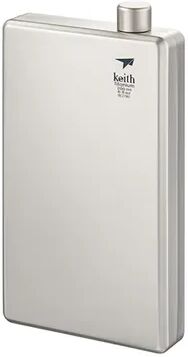
Smart Shopping Spot Camping Hip Flask Portable Titanium Flask For Travel, Hiking & Outdoor Use Camping Hip Flask Portable Titanium Flask For Travel, Hiking & Outdoor UseEnjoy your favorite drink wherever adventure takes you with this sleek titanium flask designed for modern explorers. Crafted for campers, hikers, and travelers, it combines ultralight durability with a clean, minimalist design. Unlike traditional...129,97 $*Shipping: 0,00 $Secure redirect to the provider
-
Multisell Products Hub Waterproof Compass Watch With Luminous Dial For Hiking Camping Survival Gear Waterproof Compass Watch With Luminous Dial For Hiking Camping Survival GearWhen youre out in the wild, confidence comes from knowing your direction at all times. This compass watch combines rugged reliability with everyday wearability, giving adventurers a simple yet powerful navigation tool right on their wrist. Designed...44,97 $*Shipping: 0,00 $Secure redirect to the provider


-
What is the difference between raw materials, operating materials, and auxiliary materials?
Raw materials are the basic materials used in the production of goods, such as wood, metal, or oil. Operating materials are the materials used in the day-to-day operations of a business, such as office supplies, cleaning supplies, or packaging materials. Auxiliary materials are materials that support the production process but are not directly used in the final product, such as lubricants, solvents, or maintenance supplies. Each type of material plays a different role in the production and operation of a business. **
-
What is the difference between building materials, operating materials, and supplementary materials?
Building materials are used in the construction of a structure, such as wood, concrete, steel, and bricks. Operating materials are items used to maintain and operate a building, like cleaning supplies, light bulbs, and HVAC filters. Supplementary materials are additional items that may not be essential for the structure but can enhance its functionality or aesthetics, such as decorative finishes, landscaping materials, or furniture. **
-
Can someone explain the terms reserve materials, building materials, and operating materials?
Reserve materials are items kept in stock for future use, typically for emergencies or unexpected situations. Building materials are used in the construction or renovation of structures, such as wood, concrete, and steel. Operating materials are supplies necessary for the day-to-day functioning of a business or organization, like office supplies, cleaning products, and maintenance tools. Each term refers to specific types of materials needed for different purposes within a given context. **
-
What is the difference between raw materials, auxiliary materials, operating materials, and goods?
Raw materials are the basic materials used in the production of goods, such as wood for furniture or steel for cars. Auxiliary materials are used to support the production process but do not become part of the final product, like lubricants or cleaning agents. Operating materials are items necessary for the day-to-day functioning of a business, such as office supplies or maintenance tools. Goods are the final products that are produced and sold to customers, such as furniture or cars. **


Is there a difference between materials and raw materials?
Yes, there is a difference between materials and raw materials. Raw materials are the basic materials that are used to make a product, such as wood, metal, or cotton. Materials, on the other hand, are the finished products that are used to create something else, such as plastic, glass, or fabric. In other words, raw materials are the starting point in the production process, while materials are the end result that can be used in various applications. **
How do materials scientists develop new materials and substances?
Materials scientists develop new materials and substances through a combination of experimentation, theoretical modeling, and advanced technology. They start by identifying the properties and characteristics they want the new material to have, and then they explore different chemical compositions and structures to achieve those properties. This often involves testing and analyzing the behavior of different materials under various conditions, as well as using computer simulations to predict their performance. Once a promising material is identified, scientists further refine and optimize its properties through iterative testing and modification, ultimately leading to the development of new and improved materials for various applications. **
Top-Angebote
Products related to Materials:
-
Inspire Daily Merch Windproof Camping Stove Shield Outdoor BBQ & Firewood Cooking Windbreak For Camping, Hiking, And BBQ Gear Windproof Camping Stove Shield Outdoor BBQ & Firewood Cooking Windbreak For Camping, Hiking, And BBQ GearPrepare for your outdoor adventure with our Windproof Camping Stove Shield. Designed to protect your fire from the elements, this lightweight, durable windscreen ensures consistent heat, making it an essential piece of camping gear. Perfect for BBQ...64,97 $*Shipping: 0,00 $Secure redirect to the provider
-
Perfect Picks Market Multifunctional Cutlery Set Portable Outdoor Tableware For Camping, Hiking, And Travel Multifunctional Cutlery Set Portable Outdoor Tableware For Camping, Hiking, And TravelUpgrade your outdoor meals with the 6in1 multifunctional cutlery set designed for campers, hikers, and travelers. This compact, portable tableware is all you need to enjoy a hasslefree dining experience in nature. Featuring a knife, fork, spoon, and...39,97 $*Shipping: 0,00 $Secure redirect to the provider
-
What are raw materials, auxiliary materials, or operating materials?
Raw materials are the basic materials used in the production of goods. They are typically natural resources such as wood, metal, or agricultural products. Auxiliary materials are used to support the production process, such as lubricants, cleaning agents, or packaging materials. Operating materials are the supplies and tools used in the day-to-day operations of a business, such as office supplies, maintenance tools, or safety equipment. These materials are essential for the production and operation of goods and services. **
-
What is the difference between building materials, operating materials, and auxiliary materials?
Building materials are used in the construction of a structure, such as bricks, concrete, and steel. Operating materials are items used in the day-to-day operations of a building, like cleaning supplies, office supplies, and maintenance tools. Auxiliary materials are additional items that support the functioning of a building, such as lighting fixtures, plumbing fixtures, and HVAC systems. Each type of material serves a specific purpose in the construction and maintenance of a building. **
-
What is the difference between raw materials, operating materials, and auxiliary materials?
Raw materials are the basic materials used in the production of goods, such as wood, metal, or oil. Operating materials are the materials used in the day-to-day operations of a business, such as office supplies, cleaning supplies, or packaging materials. Auxiliary materials are materials that support the production process but are not directly used in the final product, such as lubricants, solvents, or maintenance supplies. Each type of material plays a different role in the production and operation of a business. **
-
What is the difference between building materials, operating materials, and supplementary materials?
Building materials are used in the construction of a structure, such as wood, concrete, steel, and bricks. Operating materials are items used to maintain and operate a building, like cleaning supplies, light bulbs, and HVAC filters. Supplementary materials are additional items that may not be essential for the structure but can enhance its functionality or aesthetics, such as decorative finishes, landscaping materials, or furniture. **
Similar search terms for Materials
-
Smart Shopping Spot Camping Hip Flask Portable Titanium Flask For Travel, Hiking & Outdoor Use Camping Hip Flask Portable Titanium Flask For Travel, Hiking & Outdoor UseEnjoy your favorite drink wherever adventure takes you with this sleek titanium flask designed for modern explorers. Crafted for campers, hikers, and travelers, it combines ultralight durability with a clean, minimalist design. Unlike traditional...129,97 $*Shipping: 0,00 $Secure redirect to the provider
-
Multisell Products Hub Waterproof Compass Watch With Luminous Dial For Hiking Camping Survival Gear Waterproof Compass Watch With Luminous Dial For Hiking Camping Survival GearWhen youre out in the wild, confidence comes from knowing your direction at all times. This compass watch combines rugged reliability with everyday wearability, giving adventurers a simple yet powerful navigation tool right on their wrist. Designed...44,97 $*Shipping: 0,00 $Secure redirect to the provider
-
Inspired Finds Widesea Lightweight Aluminum Camping Mug Durable Outdoor Cup For Hiking, Trekking & Travel Widesea Lightweight Aluminum Camping Mug Durable Outdoor Cup For Hiking, Trekking & TravelEnjoy your favorite drink wherever adventure takes you with this versatile aluminum camping cup built for the outdoors. Designed to be lightweight yet durable, its the perfect companion for hikers, trekkers, and travelers who value practicality...34,99 $*Shipping: 0,00 $Secure redirect to the provider
-
Uplift Curations Emergency Thermal Rain Poncho Waterproof Survival Poncho Blanket For Camping Hiking Outdoor Survival Gear orangeBe ready for sudden weather changes with a lightweight protective layer designed for emergencies. This thermal rain poncho combines the function of a waterproof raincoat and an insulating blanket to help keep you warm and dry in harsh outdoor...57,50 $*Shipping: 0,00 $Secure redirect to the provider
-
Can someone explain the terms reserve materials, building materials, and operating materials?
Reserve materials are items kept in stock for future use, typically for emergencies or unexpected situations. Building materials are used in the construction or renovation of structures, such as wood, concrete, and steel. Operating materials are supplies necessary for the day-to-day functioning of a business or organization, like office supplies, cleaning products, and maintenance tools. Each term refers to specific types of materials needed for different purposes within a given context. **
-
What is the difference between raw materials, auxiliary materials, operating materials, and goods?
Raw materials are the basic materials used in the production of goods, such as wood for furniture or steel for cars. Auxiliary materials are used to support the production process but do not become part of the final product, like lubricants or cleaning agents. Operating materials are items necessary for the day-to-day functioning of a business, such as office supplies or maintenance tools. Goods are the final products that are produced and sold to customers, such as furniture or cars. **
-
Is there a difference between materials and raw materials?
Yes, there is a difference between materials and raw materials. Raw materials are the basic materials that are used to make a product, such as wood, metal, or cotton. Materials, on the other hand, are the finished products that are used to create something else, such as plastic, glass, or fabric. In other words, raw materials are the starting point in the production process, while materials are the end result that can be used in various applications. **
-
How do materials scientists develop new materials and substances?
Materials scientists develop new materials and substances through a combination of experimentation, theoretical modeling, and advanced technology. They start by identifying the properties and characteristics they want the new material to have, and then they explore different chemical compositions and structures to achieve those properties. This often involves testing and analyzing the behavior of different materials under various conditions, as well as using computer simulations to predict their performance. Once a promising material is identified, scientists further refine and optimize its properties through iterative testing and modification, ultimately leading to the development of new and improved materials for various applications. **
* All prices are inclusive of VAT and, if applicable, plus shipping costs. The offer information is based on the details provided by the respective shop and is updated through automated processes. Real-time updates do not occur, so deviations can occur in individual cases. ** Note: Parts of this content were created by AI.